Our Blogs
Blogs
/
Blog Details
Ask the Expert: The role of diet and nutritional supplements
Comments
No Comments
Author
Nutrition Mantra
Post Date
January 29, 2025

"We have known for a long time that nutrition is intricately linked to immunity and to the risk and severity of infections. Poorly nourished individuals are at a greater risk of various bacterial, viral, and other infections. Conversely, chronic or severe infections lead to nutritional disorders or worsen the nutritional status of affected people."
- Adamson Janny
Many are wondering about the more specific role of diet and nutrition during this pandemic. To understand more about the link between nutrition and immunity, and existing evidence on nutrient status, supplementation, and infection, we spoke with Dr. Wafaie Fawzi, Dr. Walter Willett, and PhD student, Dr. Ibraheem Abioye. As more information becomes available on this topic, we will check back with our experts to provide additional updates.
Although data are not yet available, co-infections, such as HIV/AIDS, may also be associated with more severe outcomes, and optimal nutrition plays an important role in maintaining health among people with such infections.
Zinc
It is a component of many enzymes and transcription factors in cells all over the body, and inadequate zinc levels limit the individual’s ability to mount an adequate immune response to infections. [2] Multiple meta-analyses and pooled analyses of randomized controlled trials (RCTs) have shown that oral zinc supplementation reduces the incidence rate of acute respiratory infections by 35%, shortens the duration of flu-like symptoms by approximately 2 days, and improves the rate of recovery. [3,4] The studies were conducted in the US as well as in multiple low- and middle-income countries such as India, South Africa, and Peru. The dose of zinc in these studies ranged from 20 mg/week to 92 mg/day. Dose does not appear to be the main driver of the effectiveness of zinc supplementation.
Vitamin C
It is a co-factor for many enzymes. It enhances the function of many enzymes all over the body by keeping their metal ions in the reduced form. It also acts as an antioxidant, limiting inflammation and tissue damage associated with immune responses. [5] RCTs evaluating the effectiveness of vitamin C have been conducted among soldiers, young boys, and older people in the US, the Soviet Union, the UK, and Japan. In these studies, vitamin C supplementation was shown to significantly reduce the incidence of respiratory tract infections. [6] The effectiveness of vitamin C has also been studied among hospitalized patients in the US, Egypt, and Iran, admitted for a wide variety of conditions including severe sepsis, postoperative complications, burns, lung contusions, and cardiac conditions. [7] Vitamin C was shown to reduce the duration of stay in the intensive care unit and need for mechanical ventilation among these patients. [8] The dose of vitamin C varied from 1-3 g/day, and dose does not appear to be the main driver of effectiveness. Doses of vitamin C above 2 g/day should be avoided outside of medical care.
Taking a standard
(RDA) multivitamin/multimineral supplement as a nutritional safety net is reasonable. These supplements are a relatively inexpensive (should cost less than $40 USD for a six month supply) and convenient way to replenish and maintain micronutrient stores.
Maintaining adequate levels of vitamin D
It is particularly important. Vitamin D is normally produced in our skin when exposed to sunlight, and in the late winter and spring blood levels of vitamin D tend to be low because of reduced sun exposure. Staying indoors will further reduce blood levels. Although we do not have evidence at this time whether vitamin D supplements will reduce the severity of COVID-19, they might, especially among people with low levels. Because the cost of blood testing is usually more than the cost of supplements (and not appropriate while our health care system is seriously stressed), and because there are other benefits from maintaining adequate vitamin D, taking supplemental vitamin D would be reasonable for most people to consider.
If vitamin D supplements are not available
A backup option is to take advantage of some sunlight, which is now starting to become intense enough to produce vitamin D. Expose as much skin as possible in the middle of the day and begin for short periods, being very careful to avoid burns. 15 minutes can produce a large amount of vitamin D in light skin; 3 or 4 times longer will likely be needed for dark skin. Note that this is short-term guidance related to limited vitamin D supplement availability during the current pandemic; and not advisable long-term. Because sun exposure can contribute to skin cancers, in general it is important to avoid excessive sun exposure or use of tanning beds.
Vitamin D in commonly available multivitamin/multimineral supplements
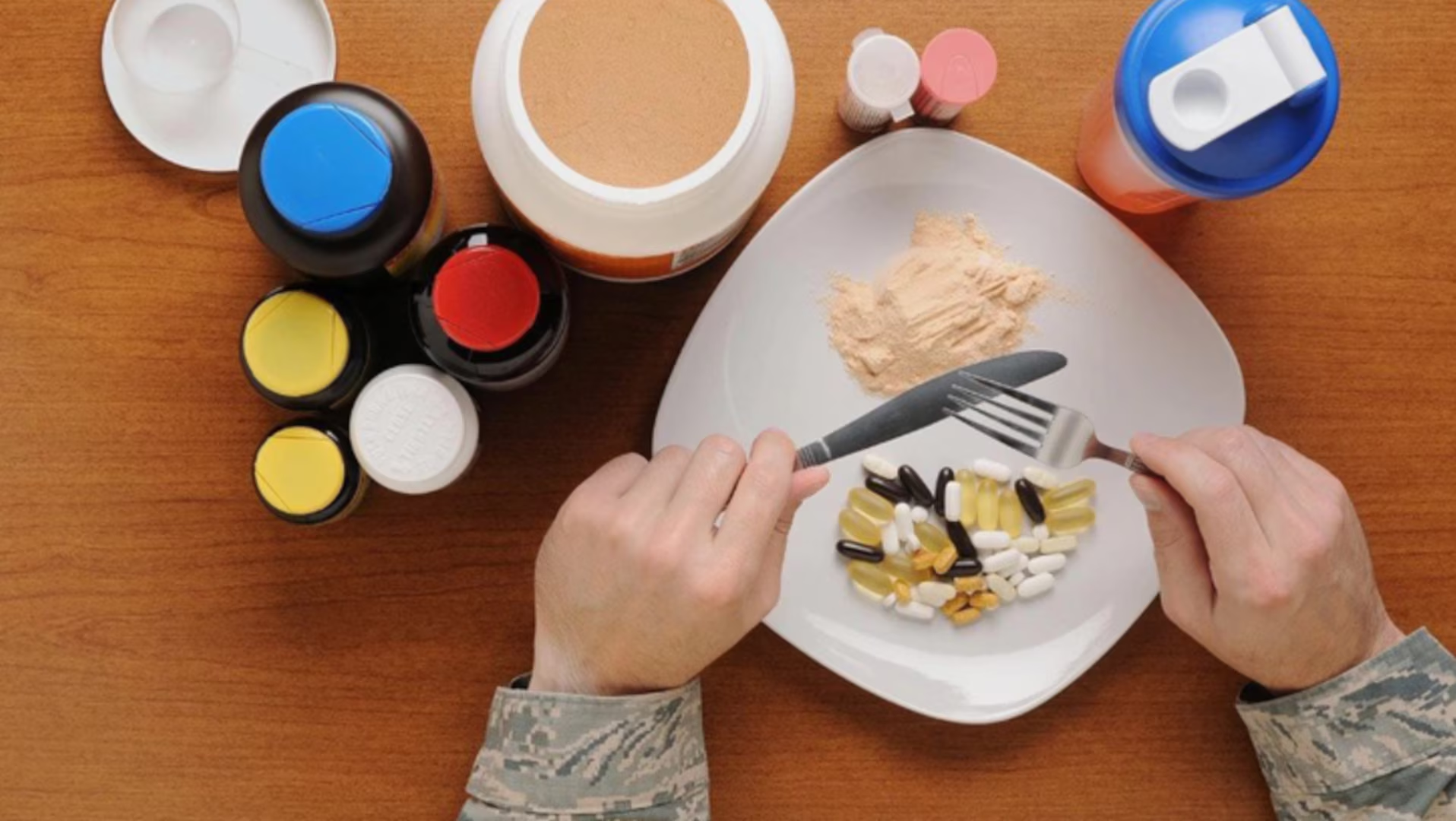
At this time, megadose supplements (many times the recommended dietary allowance, or RDA) do not appear justified, and these can sometimes be harmful.Nutritional supplements should be not be considered to be substitutes for a good diet, because no supplements contain all the benefits provided by healthy foods.
Related Blogs
Healthy Living Guide 2023/2024
"Streamline Your Facebook Campaigns with Meta Advantage Tools
WHO releases updated guidelines on defining healthy diets

